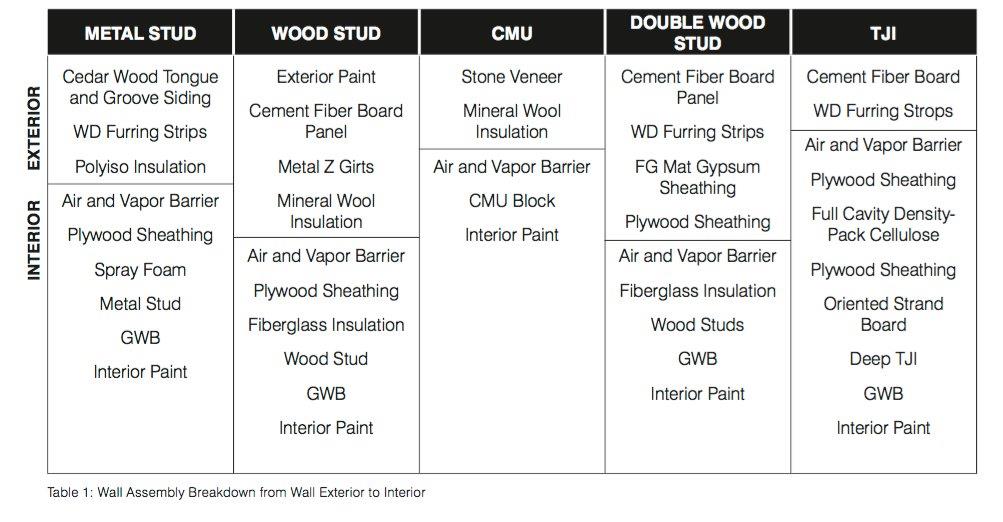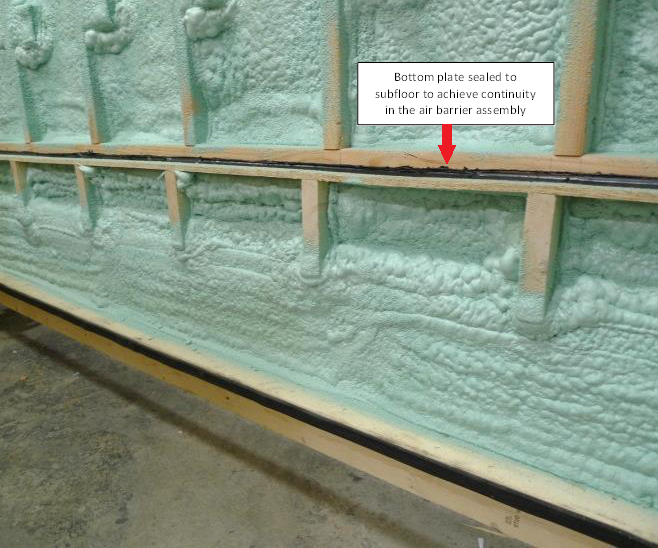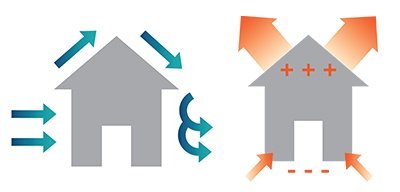
Moisture is one of the most damaging elements a building can encounter and is the leading cause of construction litigation. In a recent post for Professional Builder Magazine, Johns Mansville Principal Building Scientist J.R. Babineau talks about the role insulation plays in managing moisture in a wall system and why the issue is becoming increasingly important as energy codes become more stringent.
Details »Insulation Institute Blog
Posts Categorized: Insulation
Insulation Installation: You Don’t Get What You Expect, You Get What You Inspect
One of the things that impressed me most as a first-time attendee of the RESNET conference in March of this year was the caliber of the speakers – they all seemed knowledgeable, credible and more often than not, entertaining. I’m a big fan of soundbites, and I usually leave a meeting with a few good ones that I think capture the essence of those subjects most applicable to me. A good one from this year’s conference: “You don’t get what you expect, you get what you inspect.” This is a good message generally, but this really resonated with me when it comes to installation of insulation.
Details »There’s Insulating a Building. And Then There’s REALLY Insulating a Building.
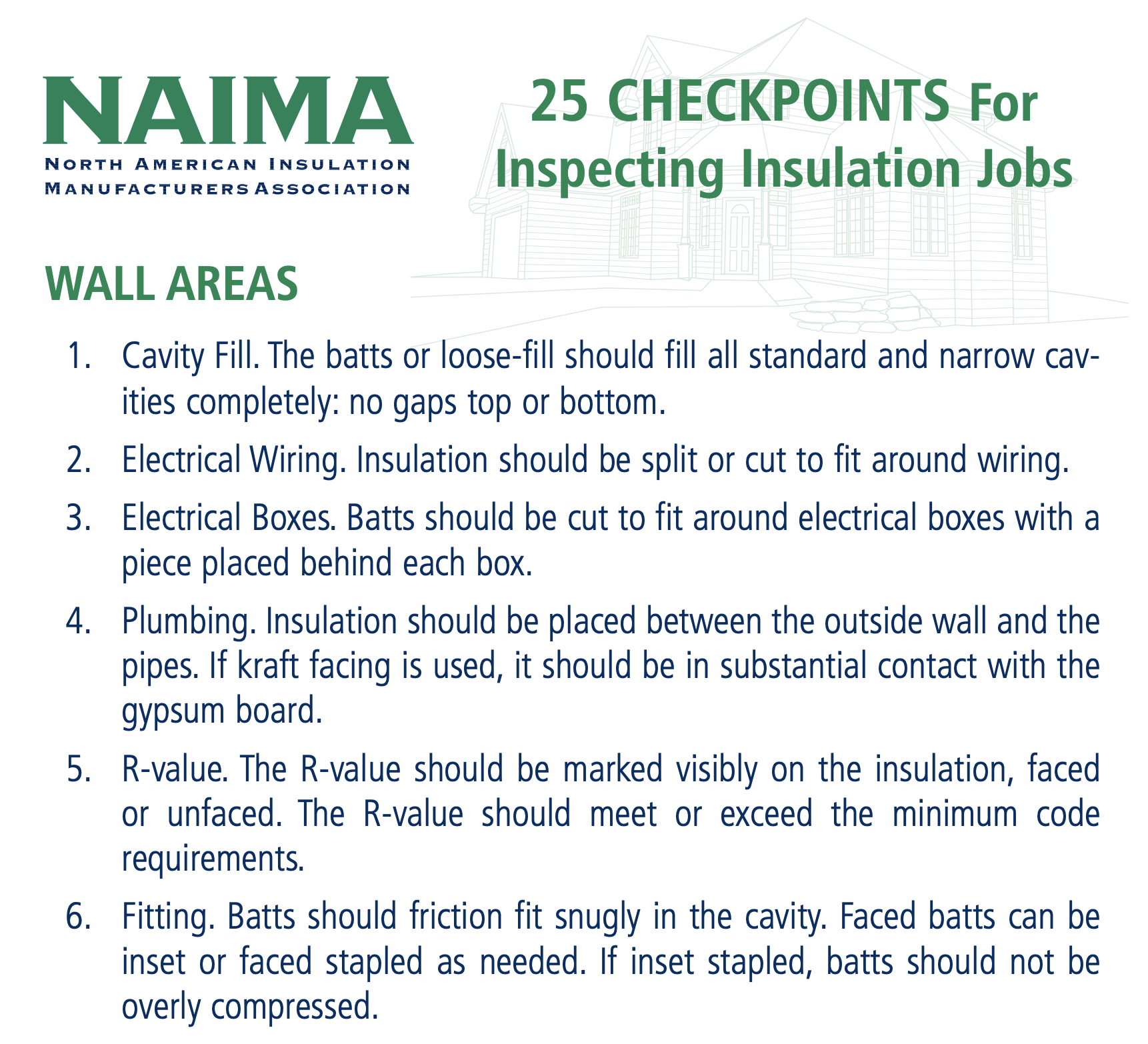
For an insulation inspection during a building inspection, our handy guide – “25 Checkpoints for Inspecting Insulation Jobs” – covers all the bases, and then some. Intended to provide useful guidance on how to improve the quality of the installation of insulation products, the List has been created by our experts here at the Insulation Institute. It tells you what to look for when inspecting insulation in wall areas, as well as ceilings, floors and other areas.
Details »A breeze. A draft. A blast. A wind. A whiff. Who knew air could take so many forms in a building?
No matter what you call it, air flow and its management are vital to the performance, energy efficiency and comfort of a new or renovated home. Not only that: improper air flow can have severe effects on the health and safety of the people in the building by promoting mold growth, spreading pollutants, and possibly creating backdrafting of combustion appliances, increasing the possibility of carbon dioxide poisoning.
Details »Are Insulation R-Values a Good Measure of Insulation Performance?
Yes. The answer is simple, so this could be the shortest blog ever. However, given the misinformation that is out there it is worth explaining why R-value is in fact a good measure of thermal performance and dispelling some common misconceptions about it.
Details »KB Homes’ Approach to Zero Energy Ready Building
KB Homes, a top 10 builder nationally, has firmly established itself as a leader in energy efficient building. In April of this year, it won its sixth consecutive Energy Star Partner of the Year Award. Additionally, in 2013, 2014 and 2015 it received Department of Energy Housing Innovation Awards for its Zero Energy Ready Home (ZERH) construction. With this level of success it begs the question “what are they doing?” DOE’s “Tour of Zero” website has detailed case studies on a number of homes (which we have written about before), including those from KB, but we will look specifically at the approach they took to insulation and air sealing in these homes, as well as the resulting ACH levels and HERS scores.
Details »What’s the best insulation option for Zero Energy Ready Homes?
Net-Zero Energy vs. Zero Energy Ready Homes
Not all net-zero energy (NZE) homes are created equal, well, they aren’t all built the same that is. Also, slight differences in wording can mean different things. Did you know that there are net-zero energy homes and Department of Energy (DOE) Zero Energy Ready Homes (ZERH). What’s the difference? DOE defines a net-zero energy, or “zero energy,” building as “an energy-efficient building where, on a source energy basis, the actual annual delivered energy is less than or equal to the on-site renewable exported energy.” [1] And a Zero Energy Ready home is “a high performance home which is so energy efficient, that a renewable energy system can offset all or most of its annual energy consumption.”[2] So, a ZERH is a building that has maximized its energy efficiency and has the potential to be a NZE home if renewable energy sources are added. Those are the definitions, but how they are built, and what products are used, to meet those standards, is up to the builder.
Details »Competition Highlights Quality Insulation Installation
There’s no question that the quality of the insulation installation has a tremendous impact on the comfort of a home. With temperatures dipping across the country and fall weatherization on the minds of many homeowners, insulation contractors are likely seeing an uptick in interest from consumers in adding insulation to their homes — particularly with news that roughly 90% of U.S. homes are under insulated. As homeowners look to hire qualified professionals to complete the job, the skills of the workers installing the insulation will have significant impact on its performance — and ultimately on the comfort of the home. Therefore, encouraging installer excellence is a worthy goal, particularly if done in a fun, competitive way.
Details »NAIMA Insulation Manufacturers at the 2015 International Builders Show
NAIMA’s insulation manufacturer will be among the more than 2,000 exhibiting brands present NAHB International Builders Show, Jan. 20 – 22 in Las Vegas. IBS is the largest light construction show in the world and will for the second year, be co-located with the Kitchen and Bath Industry Show to create Design and Construction Week, with anticipated attendance of more than 75,000 specifiers, builders, dealers and suppliers.
Details »Loose Fill Insulation Performance and Convection
The North American Insulation Manufacturers Association (NAIMA) frequently receives questions from insulation professionals, consumers and others looking for general information on the performance of various fiber glass, rock and slag wool insulation products. One question that has been asked repeatedly over the years relates to the possible loss of R-value of loose fill (blown in) fiberglass insulation in colder temperatures, a misconception often perpetuated by competing insulation products to try and discredit the performance of loose-fill fiber glass insulation.
Details »