Insulation Institute Blog
Posts Categorized: Mineral Wool

Getting Higher Performance at Lower Costs
Maximizing energy performance to cost in new construction homes is every home builder’s goal and every home buyer’s expectation. Research shows that home buyers want energy efficiency but also need affordability. For builders committed to maximizing efficiency, fiberglass and mineral wool insulation products offer both performance and cost-effectiveness.
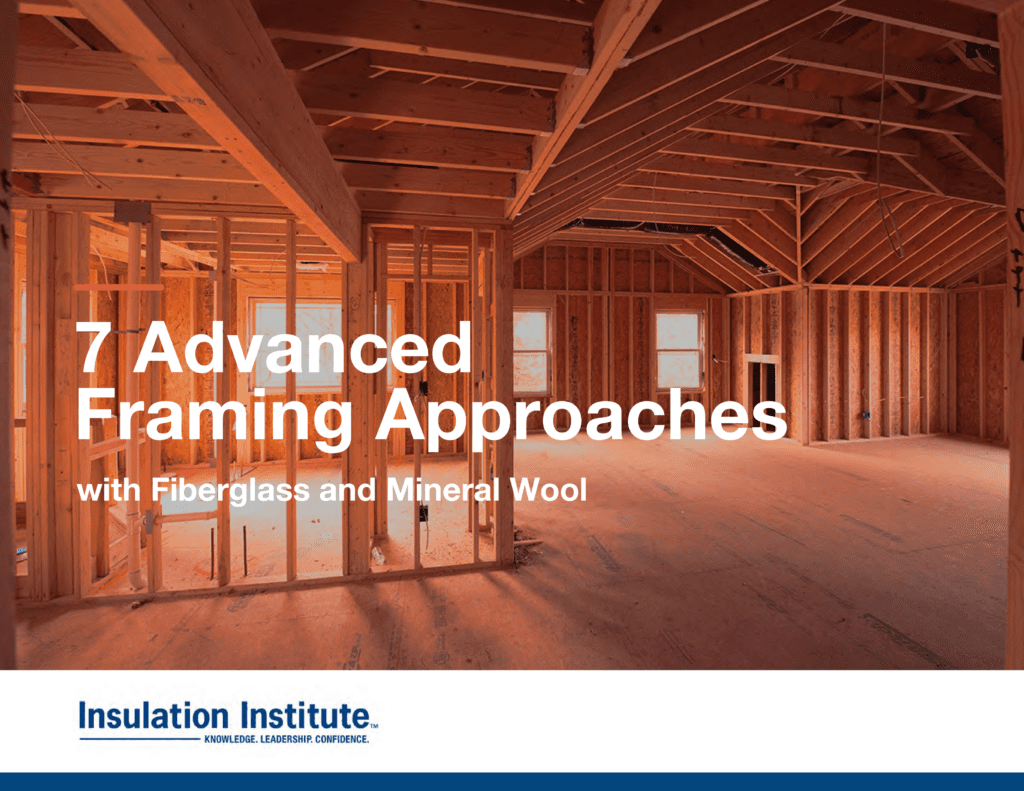
In this week’s blog, we highlight three publications that demonstrate that fiberglass and mineral wool can be used to meet any high-performance building approach.
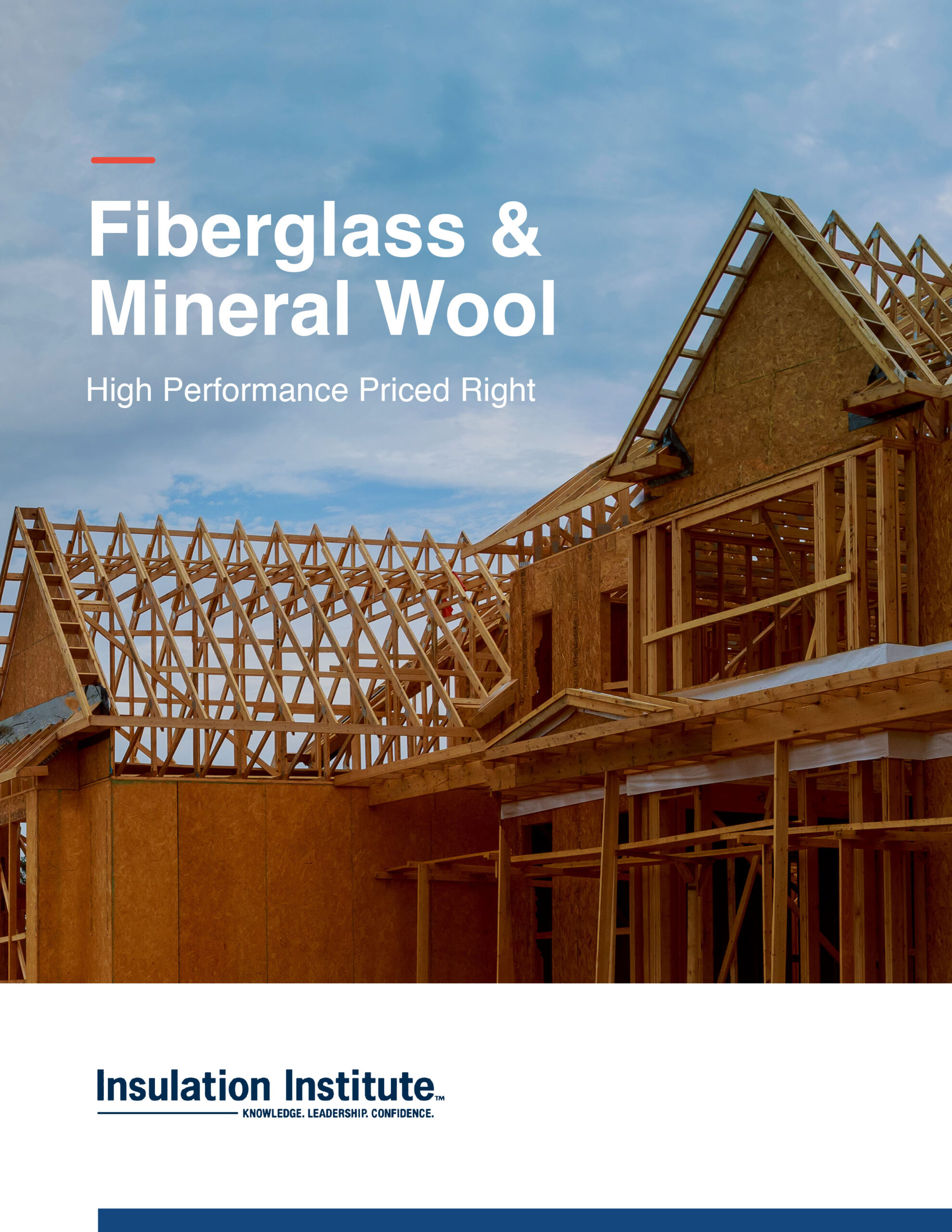
Details »Fiberglass & Mineral Wool: High Performance Priced Right
No matter your building challenge, fiberglass and mineral wool will meet the job’s demands. Fiberglass and mineral wool insulation make up 72% of the insulation material in new homes for a reason.[1] Both products are highly cost-effective selections to meet desired labeled thermal performance.
Our new
Decades of Monitoring Demonstrate Exposure Remains Low
The North American Insulation Manufacturers Association (“NAIMA”) is the association for North American manufacturers of fiber glass and mineral wool insulation (including rock wool and rock and slag wool) products. NAIMA’s role is to promote energy efficiency and environmental preservation through the use of fiber glass, rock wool, and slag wool insulation and to encourage the safe production and use of these materials.
Details »
New Release: Mineral Wool as Continuous Insulation
Mineral wool continuous insulation (CI) is increasingly used in both residential and commercial applications. Insulation Institute’s new release, “How Mineral Wool as Continuous Insulation Can Benefit Your Building,” reviews the many benefits of using mineral wool insulation as CI.
Details »
5 Reasons to Build with Mineral Wool
5 Reasons to Build with Mineral Wool
Chris Laumer-Giddens is an architect and custom builder. He’s an HVAC designer and building enclosure specialist whose current design-build project is a 2,800 square-foot, three-bedroom, two-and-a-half-bath home in Marietta, GA. Given the many hats Chris wears, it’s remarkable that he still finds time to educate others about high-performance, energy-efficient building practices, but he does.

Mineral Wool: A Solution to Thermal Bridging
Thermal bridging or the escape of heat through low-performing areas in a building envelope presents a huge problem for builders interested in energy-efficient buildings. One of the reasons that modern buildings are now more energy efficient than ever is that newer building energy codes, like the 2015 IECC and ASHRAE 90.1 prescriptively include the use of continuous insulation in most climates to reduce thermal bridging. While there are many different continuous insulation products and applications, mineral wool is gaining in popularity as an effective solution in minimizing thermal bridging.
Details »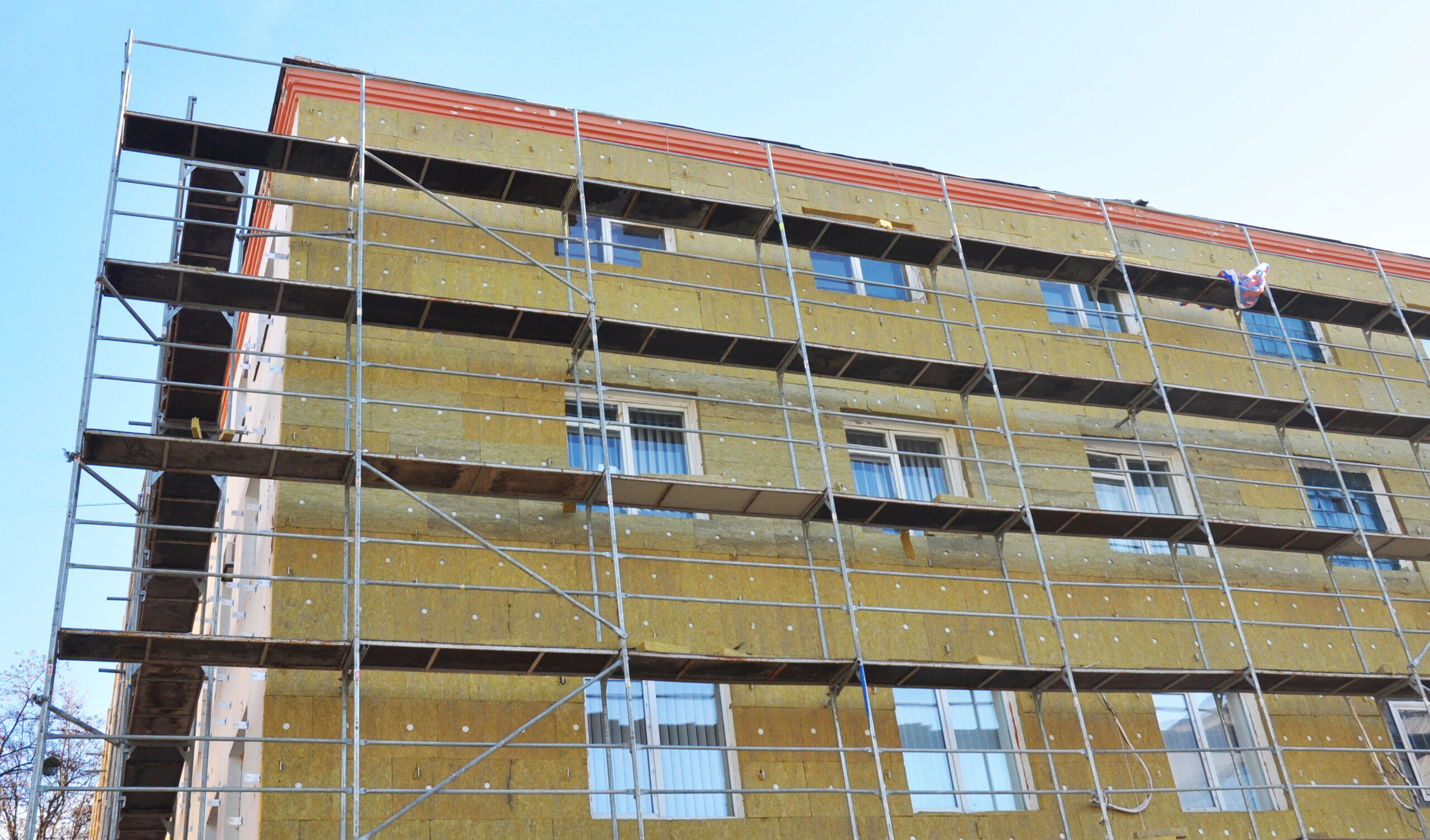
Matt Risinger Might’ve Made Our Day!
We at Insulation Institute spend a good deal of our time talking up the benefits of using fiberglass and mineral wool insulation. As much of the content of our blog is geared toward new residential construction, we value connecting with builders who use these products to achieve high-performance new home construction. So, we were thrilled to catch up with Matt Risinger, a Texas home builder and building science enthusiast (and a rock star) who specializes in high-performance, architect-driven home building during the International Builders Show. We’ve heard Matt speak at the International Builders Show in the past and we know his time is a valuable commodity, so we only asked him one question during our brief chat. His answer didn’t disappoint.
Details »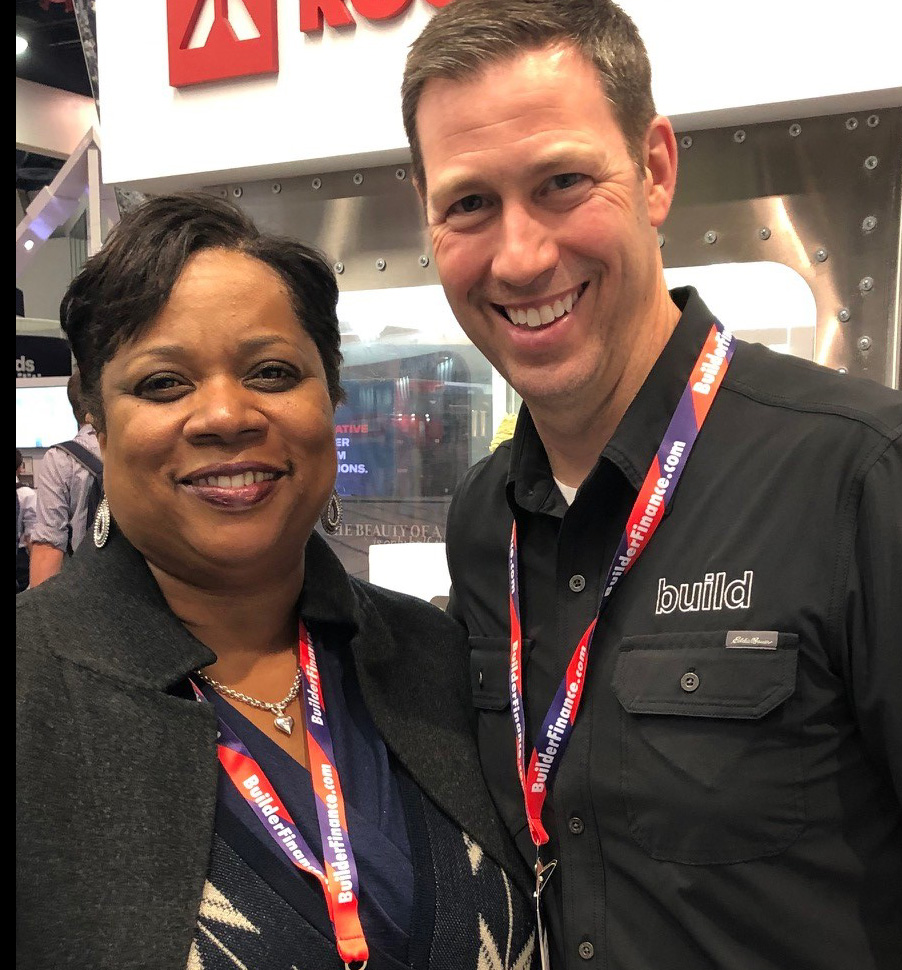
Eye on Fiber Glass and Mineral Wool Health and Safety
The Role of Data in Assessing the Potential Hazards of Man-Made Vitreous Fibers
The North American Insulation Manufacturers Association (“NAIMA”) occasionally gets questions about the health and safety of fiber glass and mineral wool insulation products. To answer those questions, NAIMA is launching a new blog series. Our first post is on the use of data in assessing possible fiber hazards.
Details »
Mineral Wool and the Toronto Method Wall
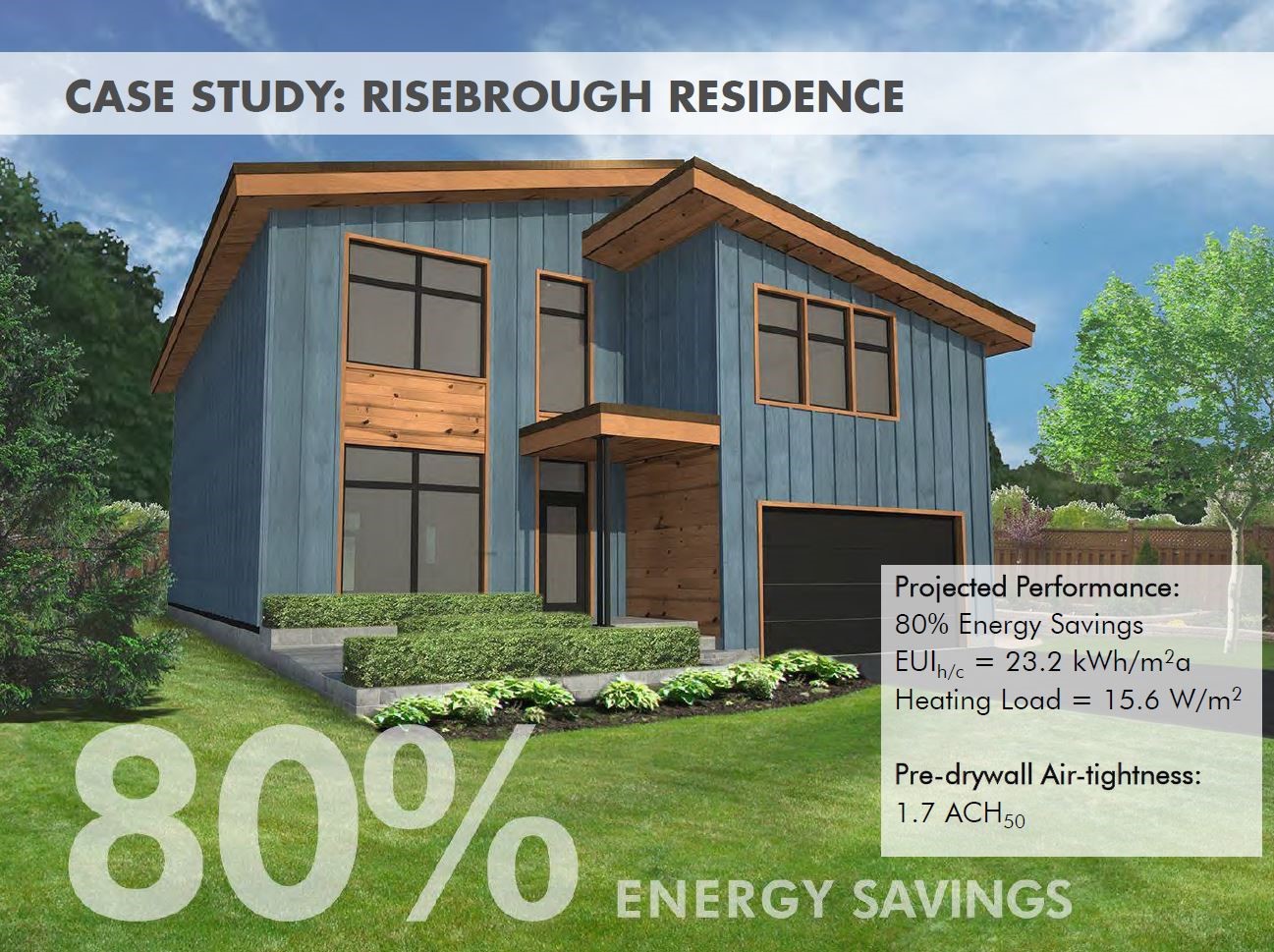
Custom home buyers have very discriminating requirements when it comes to designing and constructing their homes. Increasingly, those needs incorporate the desire to be sustainable and energy efficient. When sustainable architectural firm SUSTAINABLE.TO Architecture + Building and Greenbillt Homes, a leading Canadian custom home builder teamed up design and construct a home in North York, Ontario, they were directed to deliver a tall order to their clients: designing a home that would “sip energy, endure for generations and remain comfortable at all times.” The result was a striking residence that incorporates mineral wool insulation and delivers some impressive energy performance results.
Details »