Insulation Institute Blog

2009 Called. It Wants Its Energy Code Back

As advocates for building energy efficiency, Insulation Institute and many other organizations support the development and adoption of model residential building energy codes like the 2015 International Energy Conservation Code (IECC). Unfortunately, code adoption is literally “all over the map,” in the United States. Twenty-two states have a version of the energy efficiency code that meets or exceeds the 2009 IECC. Ten states meet or exceed the 2015 code, and 12 states have no statewide code at all, according to the Building Code Assistance Project. For those who support energy code adoption, it can seem like an uphill battle to advocate for newer energy codes, particularly when there are lots of misconceptions about the purpose behind the codes.

Details »


2009 Called. It Wants Its Energy Code Back

3 Common Problems Found in New Home Inspections

Home Builders take pride in the quality construction and workmanship of new homes. But even the best builder will occasionally be challenged with flaws in new construction that must be corrected. The complexity of new home construction, buyers’ lack of understanding about new home warranties, and internet savvy consumers raise the stakes for new home purchases and argue for independent home inspections.

Insulation Institute spoke with Frank Lesh, past president of the American Society of Home Inspectors (ASHI) and Mike Chamberlain, owner of MC2 Home Inspections, a certified national home inspector. We discussed the prevalence of inspections for new homes, the three most common issues Chamberlain has encountered during those inspections, and what builders can do to ensure consistent quality construction.

Details »
3 Common Problems Found in New Home Inspections

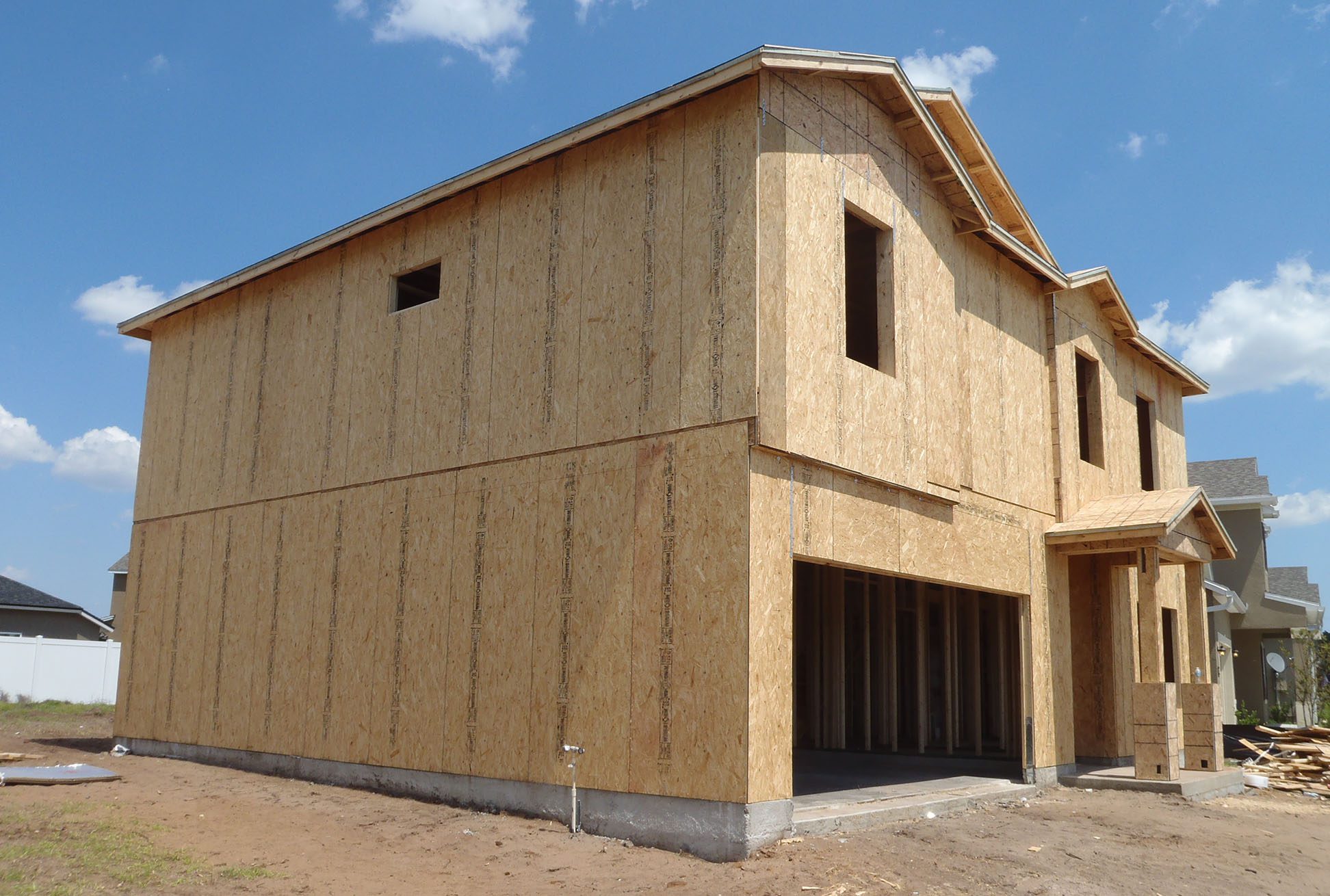
What’s In A Frame?

With the newer version of the International Energy Conservation Code (IECC) coming to states throughout the country, builders may have to make swift changes in practices to meet new, more stringent home energy efficiency requirements. For example, the state of Pennsylvania recently updated from the 2009 IECC to the 2015 version, which improves the energy efficiency of a home by 25 percent. The code also comes with a new air tightness requirement of 5 ACH50, which now needs to be verified by a blower door test. That’s proven to be an obstacle for some builders, particularly in states where testing was not previously required. Contractors know that energy efficiency starts with framing, but what specific framing practices can help increase home energy efficiency? Norbord’s Doug McNeill talks about how builders can implement small changes in framing to get big changes in home energy efficiency — without substantially increasing costs.

Details »
What’s In A Frame?

5 Priority Air Sealing Locations for New Homes

Achieving an energy efficient, durable and comfortable home starts with framing and includes air sealing and insulation. Regardless of the type of insulation used, whole-home air sealing is a must to minimize air leakage and maximize thermal performance. It’s also an essential part of meeting new home airtightness requirements. As states adopt new, more stringent home energy efficiency codes, builders must redouble their efforts to ensure that new homes are properly air sealed. But where are the areas within the building that are leakier than others?

Details »
5 Priority Air Sealing Locations for New Homes

Unvented Attic with Fiberglass and Mineral Wool

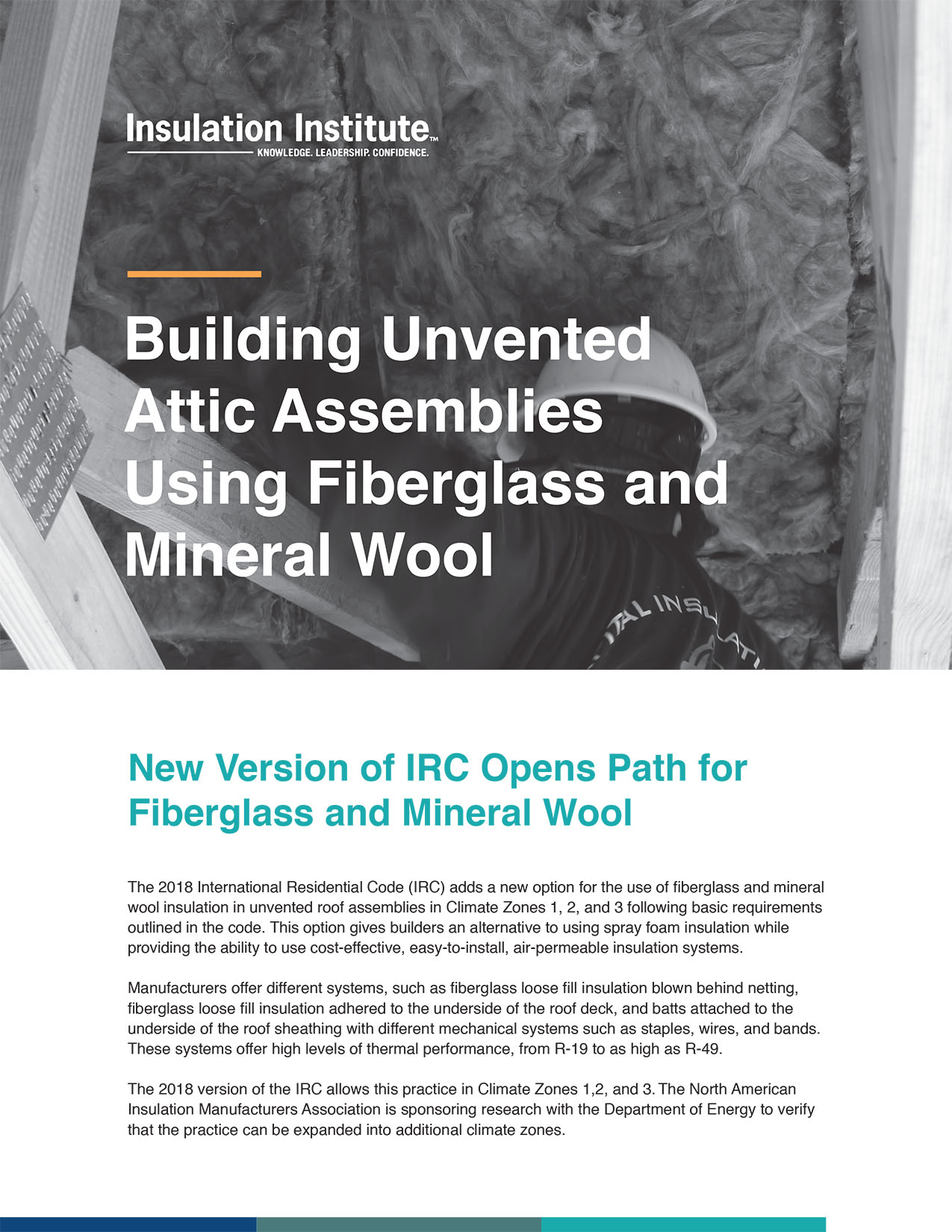
Building Unvented Attic Assemblies with Fiberglass and Mineral Wool

The 2018 International Residential Code (IRC) allows air-permeable fiberglass and mineral wool insulation in unvented attics in Climate Zones 1, 2, and 3. Our new guide details how to do this.

Prior to the completion of research and publication of the 2018 IRC, concerns about condensation in warm, humid climates prevented the practice. However, research studies have shown that fiberglass and mineral wool can be used safely in these locations.

Details »
Unvented Attic with Fiberglass and Mineral Wool

Blow the Insulation, Not the Budget

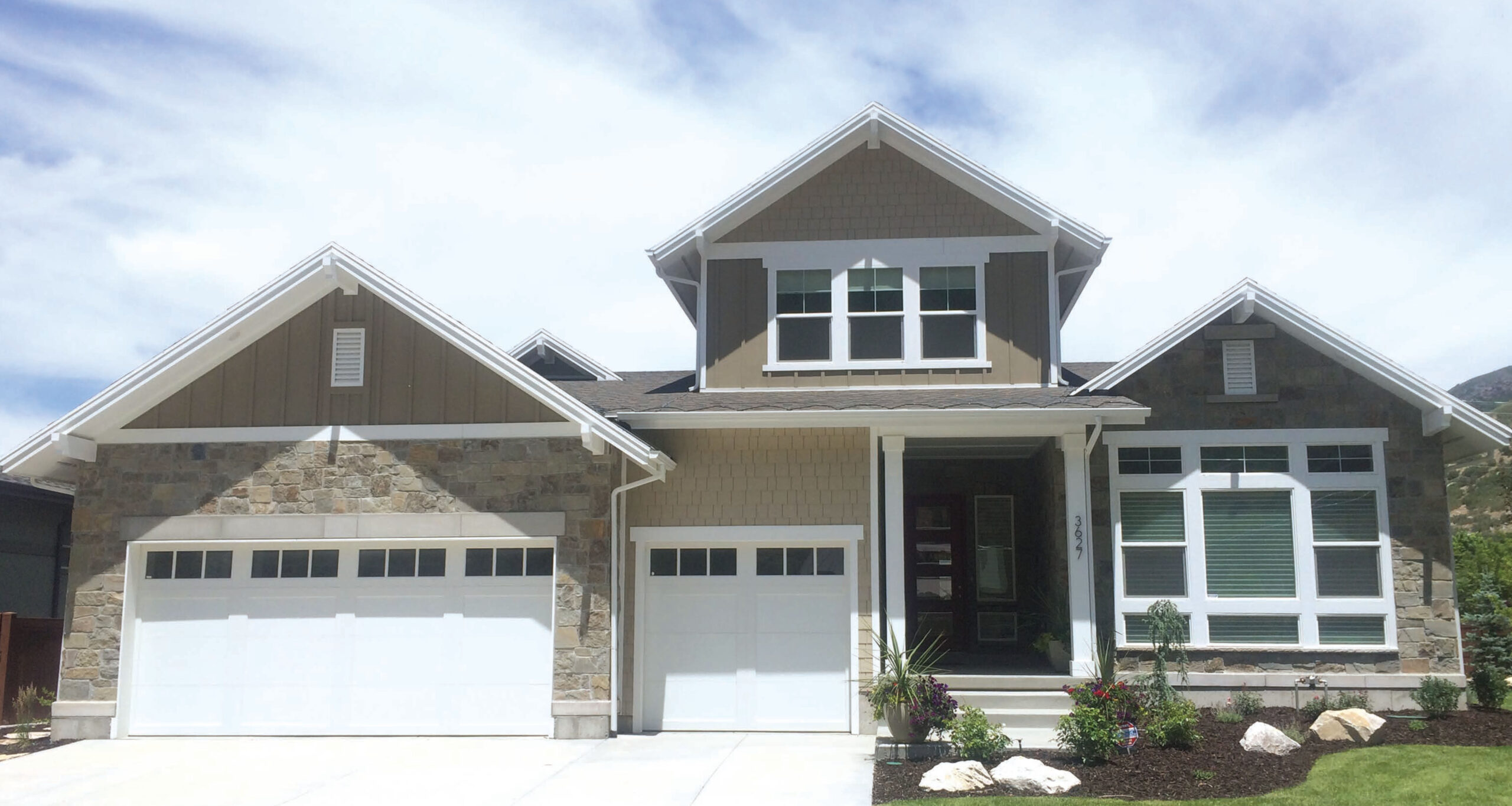
Maximizing cost effectiveness is every builder’s goal and every home buyer’s expectation. Each year, an impressive group of builders is recognized by the U.S. Department of Energy (DOE) for their forward-thinking approaches to delivering Zero Energy Ready homes. The most exemplary of the annual winners achieve this extraordinary target while keeping costs in line. Utah-based Garbett Construction is a 2017 Housing Innovation Award winner, and its winning Elizabeth model delivers notably affordable high energy performance, using proven energy-efficient construction practices and economical blown-in fiberglass insulation.

Details »
Blow the Insulation, Not the Budget

The Rising Appeal of Factory-Built Homes

Builders today face a number of challenges in the face of a national shortage of available and affordable housing. At the top of the list is a deficit of skilled labor, a lack of construction knowledge by consumers and real estate agents, and a declining number of experienced and qualified general contractors for both onsite and modular home construction.

Factory-built home construction advocates argue that their construction process can tackle many of these issues. To get a clearer picture, Insulation Institute spoke with Ed Hudson, Director of Marketing Research Services at Home Innovation Research Labs, and Jay Young, Marketing and Licensing Agent for William Poole Designs about the current housing situation and the future of home construction in America.

Details »
The Rising Appeal of Factory-Built Homes

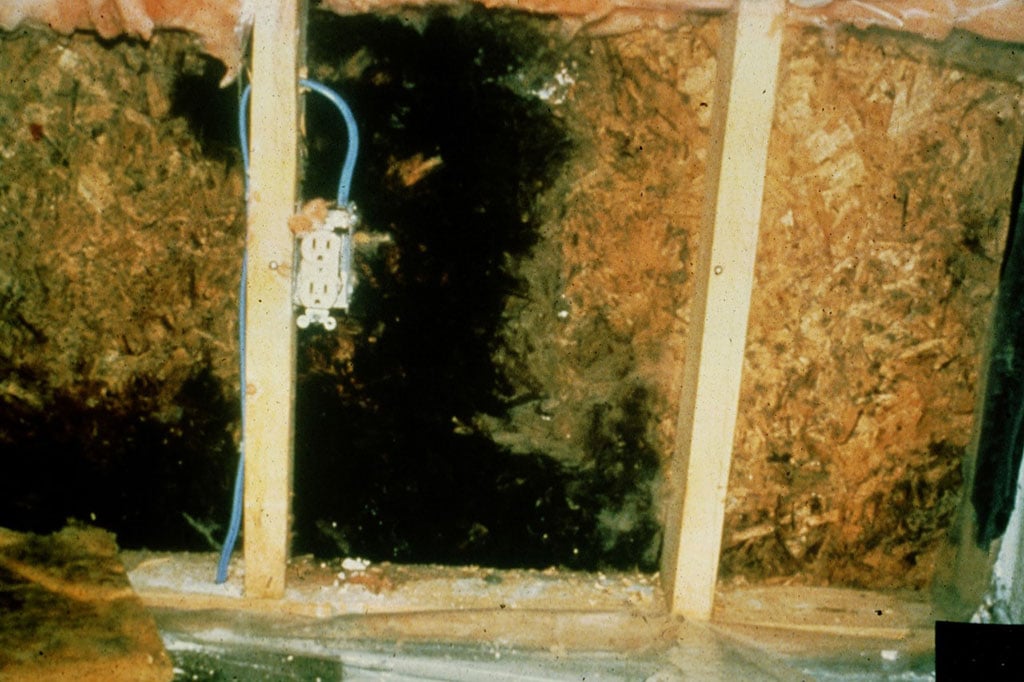
4 Steps to Prevent Excess Moisture in New Homes

Building Scientist Joe Lstiburek talks about the four things builders can do to prevent excess moisture during construction.

4 Steps-Moisture Issue 1.jpgOne essential element to securing the long-term durability of any home is moisture control. In fact, much of what we know about applied building science today was the result of early work investigating the moisture impact on buildings. Joe Lstiburek Ph.D., founding principal of Building Science Corporation, recently spoke with Insulation Institute about the four things home builders can do to prevent excess moisture during new home construction.
Details »

Mineral Wool and the Toronto Method Wall 

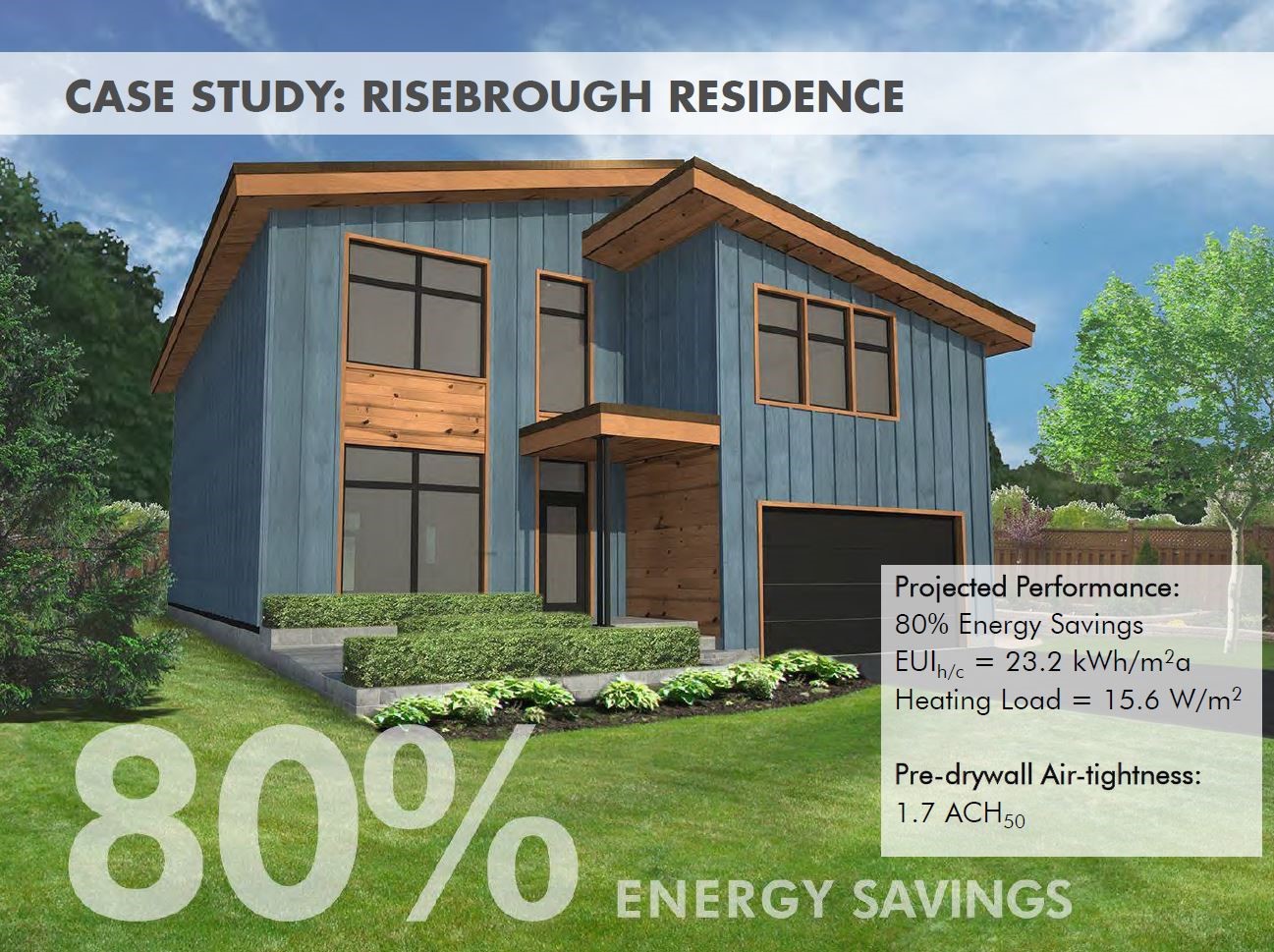
Custom home buyers have very discriminating requirements when it comes to designing and constructing their homes. Increasingly, those needs incorporate the desire to be sustainable and energy efficient. When sustainable architectural firm SUSTAINABLE.TO Architecture + Building and Greenbillt Homes, a leading Canadian custom home builder teamed up design and construct a home in North York, Ontario, they were directed to deliver a tall order to their clients: designing a home that would “sip energy, endure for generations and remain comfortable at all times.”  The result was a striking residence that incorporates mineral wool insulation and delivers some impressive energy performance results.

Details »
Mineral Wool and the Toronto Method Wall 

4 Strengths of Top-Performing Builders

Every builder wants to grow their business, increase profits, and keep costs to a minimum, yet only a few manage to do this easily. There’s no “secret sauce” to becoming a highly successful builder overnight, but some key actions collectively and gradually lead to flourishing businesses. Mike Benshoof, president and chief operating officer of Berks-Firefly Homes and Red Door Homes, reveals the fundamental elements that top-performing builders use to grow their businesses but rarely disclose.

Details »
4 Strengths of Top-Performing Builders