Insulation Institute Blog

Pipe Insulation: The Unseen Superstar in Buildings

Every day, buildings lose energy through uninsulated or under-insulated piping systems. The result? Higher utility bills, greater carbon emissions, and reduced system performance. Fortunately, pipe insulation offers a simple solution with outsized advantages.

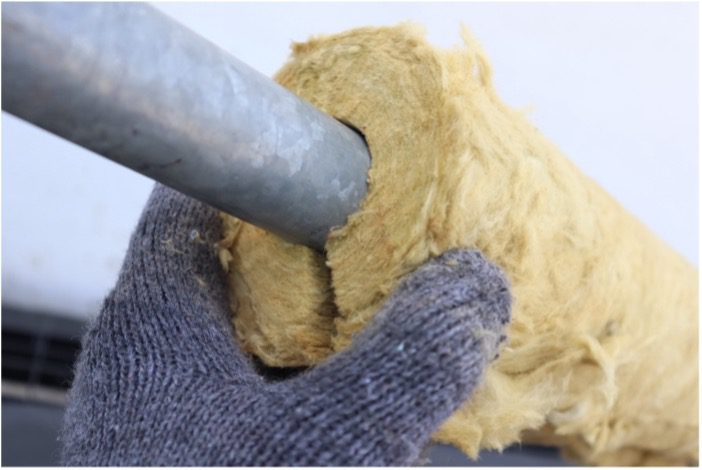
Pipe insulation is used in nearly every type of building, but it is most common and most extensively specified in commercial and industrial buildings to improve energy efficiency, safety, and system performance. This week, we look at the benefits of pipe insulation in buildings and detail how NAIMA’s 3E Plus can determine the appropriate insulation thickness for the job. Additionally, we’ll highlight NAIMA’s 3E Estimator tool, which leverages calculations from 3E Plus to provide a simple project-level estimate of the energy costs and emissions savings of pipe insulation for decision makers.

Details »


A New Normal: Virtual Inspections

The current pandemic has forced many industries to develop alternative methods for their typical operations, and construction is no different. In the first of a new series we’re calling, “How Construction Will Change,” Insulation Institute takes a look at a growing trend for the building industry: virtual code inspections.

Details »
A New Normal: Virtual Inspections

Better Marketing Drives Sales of EE Homes

A new study from the National Association of Home Builders reveals that one-quarter of the features home builders are most likely to include in new construction homes relate to energy efficiency. Despite the popularity of energy efficiency features, some builders are conflicted about them in part because they believe they cannot recoup the investment. Insulation Institute spoke with Sandra Admomatis of Adomatis Appraisal Service for some insight into how builders can shift their focus to leverage energy efficiency in marketing fully.

Details »
Better Marketing Drives Sales of EE Homes

3 Tips for Substance-Free Construction Sites

While the growing legalization[1] of cannabis in the U.S. may be fueling new industries and is leading to an economic boom in states where it is legal, the use of drugs and alcohol on the job site can have a devastating impact on safety. Drug and alcohol abuse is prevalent among full-time construction

Details »
3 Tips for Substance-Free Construction Sites

5 Traits Great Project Managers

Deadlines, details, and demands are part and parcel of any construction project, whether residential or commercial. Project managers are largely responsible for overseeing all the aspects of a construction job and a well-trained, experienced, and attentive superintendent or project manager can be the difference between having a flawlessly executed build or major, expensive headaches during construction. Identifying the traits that make for a great project manager is a must for builders that want to maximize productivity and keep costs in line.

Details »
5 Traits Great Project Managers

New OSHA Regs Should Prompt Builder Emphasis on Safety Also

Reducing residential construction accidents requires builders and contractors increase emphasis on worker safety training.

The Occupational Safety and Health Administration (OSHA) last November issued a final rule that updates its walking-working standard, first published 44 years ago. The new rule now makes general industry subject to the fall protection requirements, but does not change construction and agricultural standards. OSHA’s expansion of the walking-working surfaces rule signals that it views reducing worker injuries and fatalities seriously and builders and their contractor business owners should take note, says Mark Paskell, Founder of The Contractor Coaching Partnership, Inc.

Details »
New OSHA Regs Should Prompt Builder Emphasis on Safety Also