
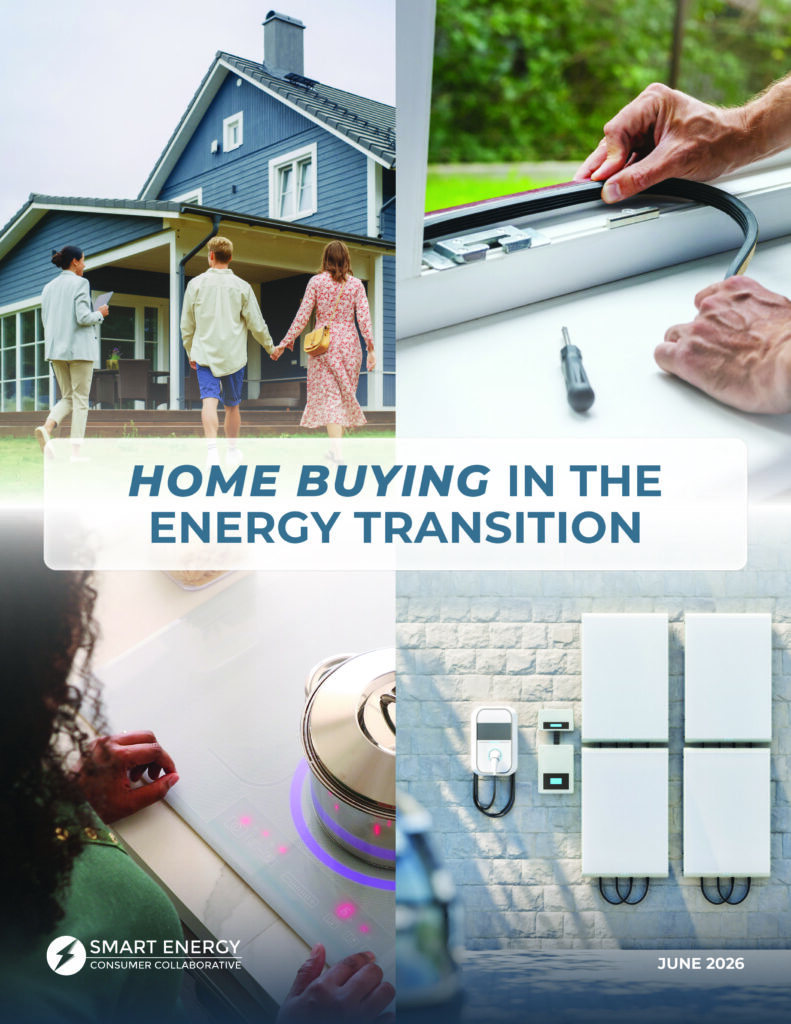
The Insulation Institute has long tracked the growing trend of home buyers paying a premium for homes with energy-efficient features. Recent analysis from Two Fifty Seven, a residential electrification data platform startup, affirms that including mentions of energy-efficient and clean-energy features in a home listing can increase the sale price and that homeowners pay “measurably higher sale prices” for those homes.
Two Fifty Seven’s findings are part of a larger report, “Home Buying in the Energy Transition,” released by the Smart Energy Consumer Collaborative with additional insights from the National Association of REALTORS.
According to Two Fifty Seven’s analysis, homes that sold between 2024 and 2025 and explicitly mentioned solar saw an increase in final sales price of 2 percent – an average of about $10,000 per home (which is about one-third of the cost of a rooftop solar system) on a median home sales price of $557K.
Similarly, homes with ducted heat pumps that mentioned the term “heat pump” also commanded a higher price – from 0.06 percent to 1 percent or more (an average of $2,300-$3,900 per home). That amount is about 16-27 percent of the cost of a ducted heat pump on a median sales price of $399K.
The Things That Matter
These findings bolster the case for including energy-efficient features in real estate listings, as they have been shown to lead to higher sales prices. That’s important, especially given the surging energy rates and escalating affordability concerns nationwide. Yet despite the financial advantage of advertising energy efficiency, only eight percent of home listings last year included this information.
Nationwide, roughly 25 percent of U.S. homes have at least one large, or particularly impactful, energy efficiency or clean energy asset, which could include:
- Solar
- Storage
- Heat pump
- Smart thermostat; or
- EV charger
Millions more have LED lighting, improved insulation, smart appliances, or other tech that improves efficiency in large and small ways. But the reality is that only about a third of listings that can boast energy efficiency actually do.
Encouraging Growth, But Progress Yet to Be Made
On the positive side, the share of listings with any energy-efficient and clean energy mentions almost tripled between 2015 and 2025, a strong signal that adoption of energy-efficient features has grown and that homeowners are becoming more aware of the market for them.
“Also promising is the fact that the generic term “energy efficient” beat most specific technology claims like LED lighting, Nets, heat pump, suggesting that there’s genuine, if not well-formed, interest in the topic from both sellers and buyers,” Two Fifty Seven said.
Rooftop solar is the exception. It is the one specific clean energy feature often highlighted in listings when available. It’s also the only term that was more popular over the past five years than the more general “energy efficiency” and “smart home” descriptors. For homes sold between 2024 and 2025, solar was mentioned in 67 percent of listings where it was present.
Comparatively, during the same period, home listings included heat pumps just 8 percent of the time they were available – revealing a huge awareness gap despite the policy push for heat pump adoption.
This presents an enormous opportunity for HVAC contractors in particular to teach customers about how valuable heat pumps are – saving $300- $650 in electricity costs per year[1] and earning back up to $4,000 on the sale of a home.
The Big Takeaway
Ninety-two percent of real estate listings don’t mention energy-efficient features. That oversight could mean that home sellers reap a smaller profit on their home even though it has energy-efficient features, which 61 percent of home buyers rank among the top three considerations when shopping for a home.
When real estate listings clearly advertise energy-efficient features, those properties command a higher price than similar homes that also have these features but fail to market them. Leaving money on the table is a hard pass for most sellers, in this economy or any other. Advertising a home’s energy-efficient features has proven time and time again to increase the selling price, so it’s worthwhile to reemphasize the value of doing so.
[1] https://www.cell.com/joule/fulltext/S2542-4351(24)00049-7