
Insulation Institute Blog

Do Bigger HVAC Systems Deliver Better Performance?

By: Ben Green, Green Leaf Air

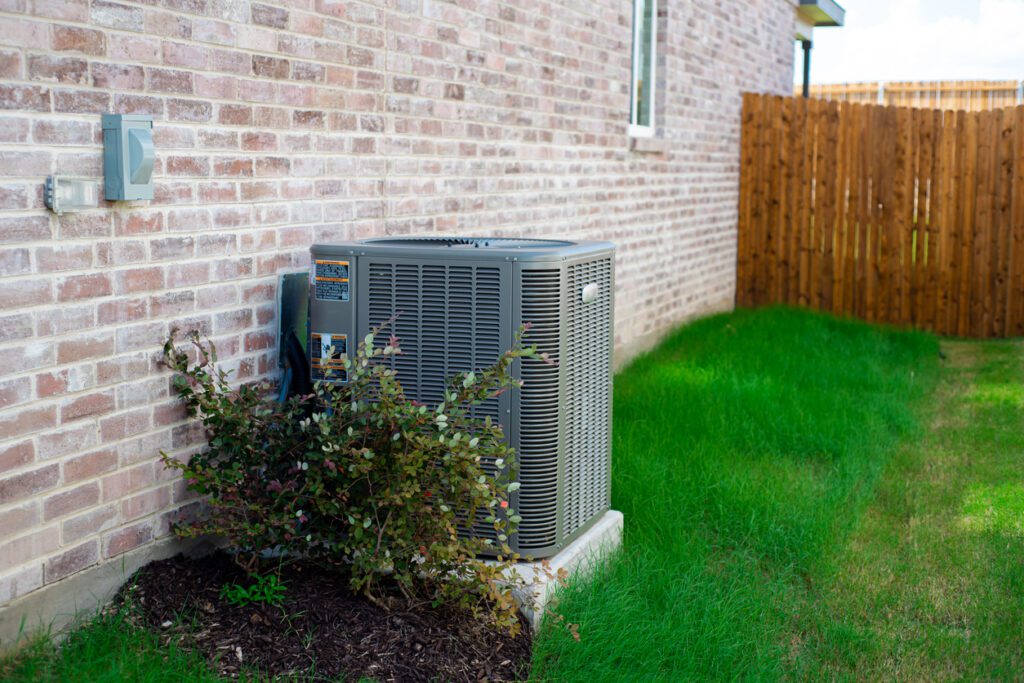
Most homeowners assume that a larger air conditioner will cool their home better, but that’s not necessarily true. On the surface, it sounds logical, but it’s not necessarily accurate. That’s because an oversized unit can make a high-performance home less comfortable, less efficient, and more expensive to operate.

As homes become better insulated and more airtight, their heating and cooling needs change. Yet many HVAC systems are still sized using outdated rules of thumb or by simply matching the old equipment’s size. The result is a system that may cool the home quickly, but struggle to control humidity, maintain consistent temperatures, and operate efficiently.

Details »

New Analysis Shows What the Latest Energy Code Costs Builders

How much does it really cost to build a home that uses dramatically less energy? According to a new analysis by ICF Consulting, the answer is surprisingly modest. A home built to the 2015 International Energy Conservation Code (IECC) uses roughly twenty percent less energy than a comparable home built to the 2009 code, while homes built to the latest 2024 IECC deliver even greater savings. Achieving those gains requires an upfront investment of only a few thousand dollars. In return, homeowners receive decades of lower utility bills and greater comfort. These long-term benefits stand in sharp contrast to claims by the National Association of Homebuilders that modern energy codes add tens of thousands of dollars to the cost of a new home. By measuring the cumulative costs of the prescriptive requirements in the 2015 and 2024 IECC, the analysis offers builders, policymakers, and homebuyers a detailed picture of what today’s energy codes actually cost.

Details »

5-Million HERS®-Rated Homes and Counting

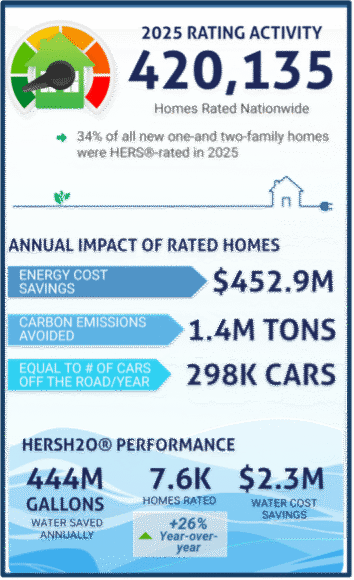
Residential Energy Services Network (RESNET®) recently announced an important milestone achievement: more than 5 million HERS-rated homes. It’s a massive number that reflects the organization’s momentum and impact on the energy-efficient homebuilding industry, but more than that, it’s a sign that builders and buyers value the energy performance rating, which is among the most recognized in the homebuilding industry.

This week, Insulation Institute delves into the HERS-score value proposition, why growth in HERS-rated homes should accelerate, and where the organization sees room to advance energy-efficient home building for a new generation of home buyers.

Details »

Four Ways Insulation Creates Homes that Last, Save, and Sustain

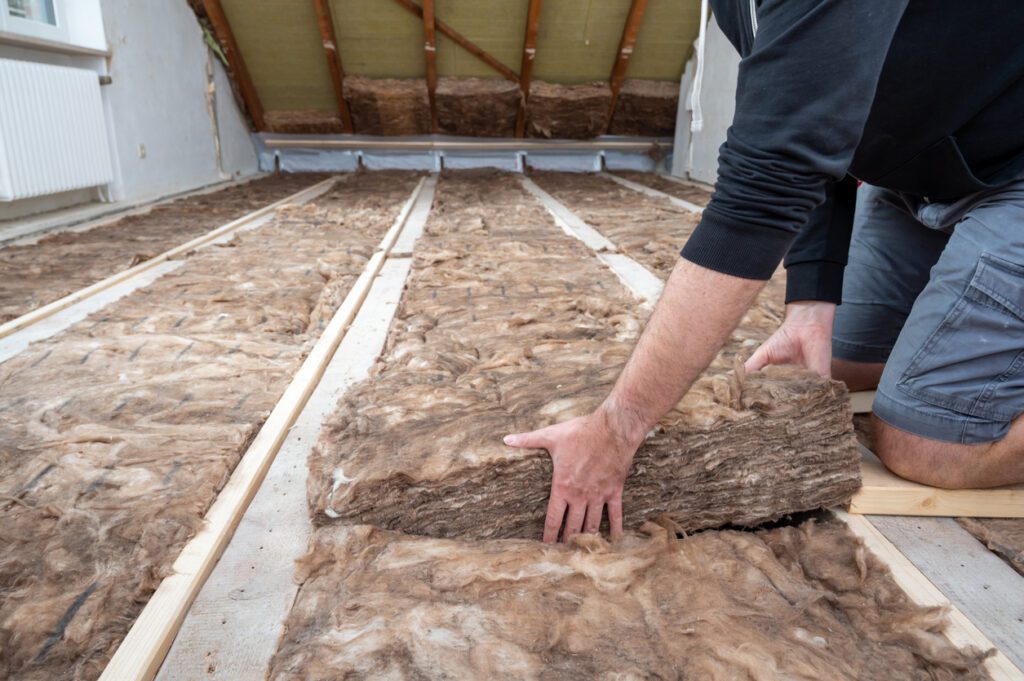
Insulation does more than keep homes warm in the winter and cool in the summer. It is the foundation of resilient, affordable, environmentally friendly, and sustainable living. As the national dialogue around housing affordability grows, it’s worth noting these four ways that insulation creates homes that last, save, and sustain.

Details »

Report Shows Interest in Energy Efficiency Growing

The National Association of Realtors (NAR) recently released its 2025 Residential Sustainability Report, showing increasing interest in home energy efficiency. Consumer interest in residential energy efficiency isn’t new, as efficiency tops the list of most desired features in a home. What’s striking this year is that more consumers than ever are specifically asking about energy efficiency.

Details »

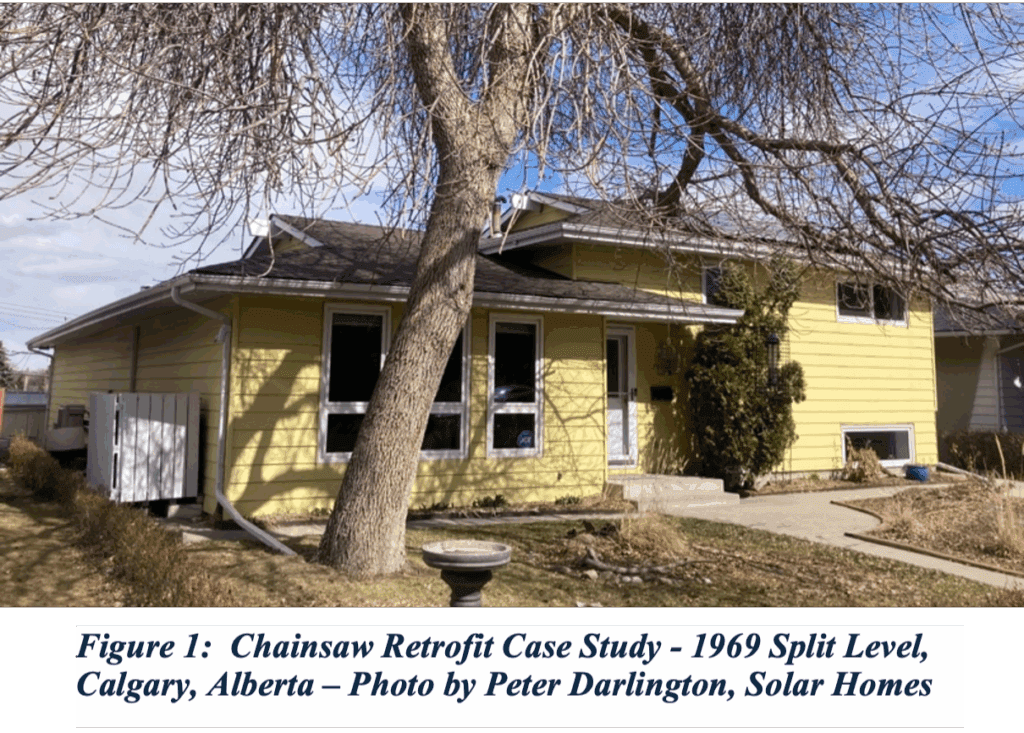
Millions of North American Homes Could Use a Chainsaw Retrofit

By: Andy Cockburn, NAIMA Canada

Millions of existing homes across North America need help improving their performance. Enhancing comfort, reducing energy costs, and lowering greenhouse gas emissions are all key priorities. One of the most effective ways to achieve these goals is through a deep energy retrofit (DER).

Details »